INTERVIEW | FIML COMMISSIONS | ORGANIZATIONS | BUSINESS
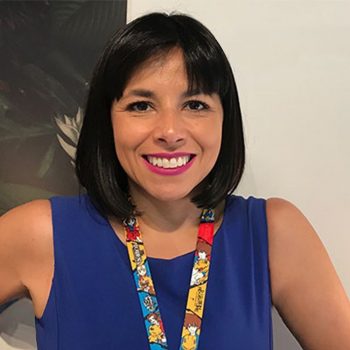
Carolina Cordero, fundadora y promotora de IBEROFIC.
- The Ibero-American Network of Film Commissions (IBEROFIC) has reached a milestone with the formation of its Board of Directors. Founder Carolina Cordero shares the network’s projects and progress with TVMAS two years after its inception.
- Cultural prominence as a strategy to raise awareness of the rights of Indigenous and Afro-descendant peoples within the Ibero-American audiovisual sector.
Advertising
Two years after its founding with a focus on consolidating the region into a highly competitive bloc vis-à-vis other international markets our network established a serious and committed body to ensure greater representation at meetings and networking events, as well as to provide support for specific projects at international gatherings. “La ruta del jamón” (The Ham Route) is the first audiovisual project developed under the IBEROFIC umbrella. The series focuses on the story of world-renowned ham carver Emilio García Ortigosa and is produced by PAN Audiovisual (Argentina) in partnership with Blurr Rojo (Canary Islands).
What are the fundamental strategic pillars driving this network?
IBEROFIC views training as a strategic pillar. This year, we are focusing on two development working groups. The first is “Cultural Prominence: strategies to raise awareness of the rights of Indigenous and Afro-descendant peoples in Ibero-American audiovisual media,” led by REDMEXCOM; the goal is to advance concrete actions and ensure greater representation for these communities’ stories in audiovisual media. The second focuses on “Sustainable Filming,” a collaborative space for member commissions dedicated to addressing practices and protocols related to sustainability in audiovisual production across four areas: training (internal capacity building, sharing tools and success stories); analysis by production area (identifying impacts and best practices during filming); the IBEROFIC protocol (developing a common guide that is flexible and adaptable to different territories); and sector outreach (coordinating with production companies and disseminating sustainable practices).
As the creator of this network, what have been the main challenges and obstacles in establishing IBEROFIC?
The challenge has been immense. Coordinating such a diverse network amidst vastly different economic, regulatory, and political realities—and reaching consensus among more than 150 organizations—requires time, trust, and a shared long-term vision. Yet, in less than two years, we have managed to move from a declaration of intent to a regional operational structure. Our collaborative working model has been key to building that shared vision, and the creation of the Board of Directors solidifies this process, bringing greater institutional stability and representational capacity.
Finally, Carolina, what are the challenges and next steps given the current global geopolitical context?
The world is experiencing significant geopolitical tensions that impact the international market through budgetary constraints. Amidst such a complex scenario, the major challenge for IBEROFIC is to sustain regional cooperation and highlight the region’s strength as a unified bloc. We must be more efficient, innovative, and strategic in our use of resources, prioritizing high-impact projects. At IBEROFIC, we believe that the regional level is the only way to compete sustainably in today’s global context.
The IBEROFIC Board is composed of the following active members: Juan Manuel Guimeráns (Spain), Marysela Zamora (Costa Rica), Diana Álvarez Segoviano (Mexico), Javier Espinoza Medina (Baja California), Ana Oliveira Marques (Portugal), and Carolina Cordero (Buenos Aires).
Advertising
Advertising